Acupuncture for Trauma
and Somatic-Visceral Response
For patients whose autonomic dysregulation is preventing participation in rehabilitative care
Schedule a Call
Somatic-Visceral Presentation
Who Responds to
This Intervention
-
✓
Trauma history with persistent somatic-visceral sequelae
-
✓
Sympathetic hyperactivation limiting tolerance of manual therapy or internal examination
-
✓
Dorsal vagal shutdown presenting as dissociation, freeze, or apparent non-compliance during treatment
-
✓
Central sensitization with disproportionate pain response to mechanical input
-
✓
Postpartum dysregulation with inadequate response to standard rehabilitation protocols
-
✓
Structural progress that fails to hold between sessions
A Short-Term Adjunct. A Better Treatment Outcome.
Patients referred to Dr. Caron typically present for three focused sessions targeting autonomic regulation and somatic-visceral dysregulation. The goal is a single clinical outcome: restoration of treatment tolerance so rehabilitation can resume and complete.
Clinician-to-clinician conversation about the case
Patient presents for a short course of treatment
Brief clinical summary sent after the first and final session
Patient returns to you for continued PT
Decrease dropout, increase compliance, improve outcomes.

Gotham Acupuncture — Upper West Side
-
Doctor of Acupuncture & Chinese Medicine (DACM)
-
Professor & Clinical Supervisor, Pacific College of Health Sciences
-
Founder, American Acupuncture Guild
-
20+ Years Clinical Experience
-
Global Healthworks Foundation — Medical Missions
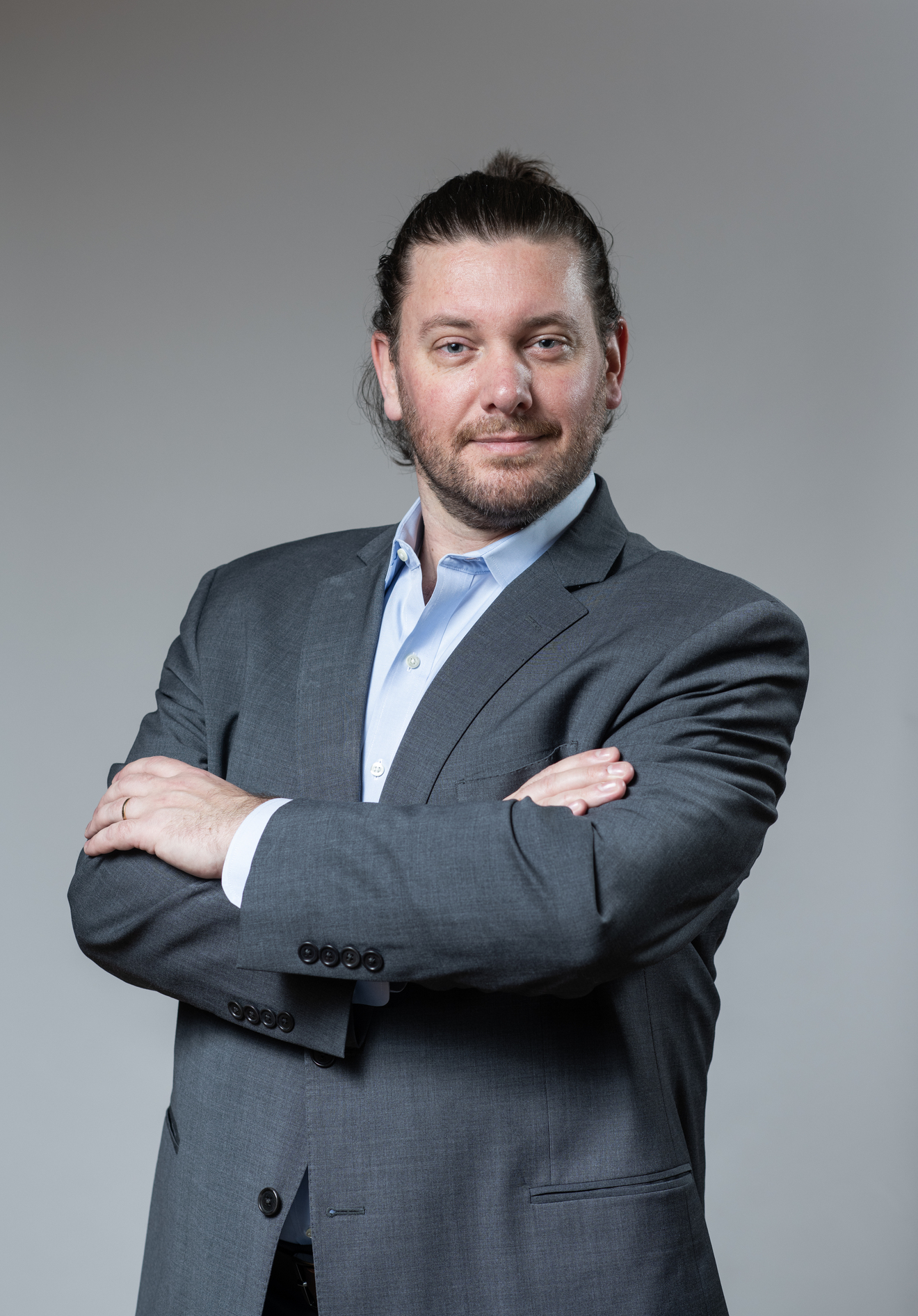
Dr. Peter Caron
DACM, L.Ac.
Dr. Caron is the founder of Gotham Acupuncture on Manhattan's Upper West Side and a Doctor of Acupuncture and Chinese Medicine with over 20 years of clinical experience. He has served as a professor and clinical supervisor at Pacific College of Health Sciences, and is the founder of the American Acupuncture Guild — a continuing education platform for licensed acupuncturists nationwide.
His clinical focus is pain, and the systems which maintain pain in the body. This has made him an expert in patients whose nervous system is maintaining the dysfunction — where fear, trauma, or chronic autonomic dysregulation is preventing them from tolerating or completing care elsewhere.
He works regularly alongside pelvic floor PTs, surgeons, psychiatrists, and internists, and welcomes conversations with colleagues about shared patients.
"The work on the nervous system that Peter does with my clients is not only complimentary to our training and rehab but a catalyst to better results. Working with Peter, practitioner to practitioner, is always easy and efficient. And I am always confident that whoever I send to Peter will receive care above and beyond."
— Laura Sifuentez, Fitness Trainer, Pilates Instructor
Our partner in Pelvic Health
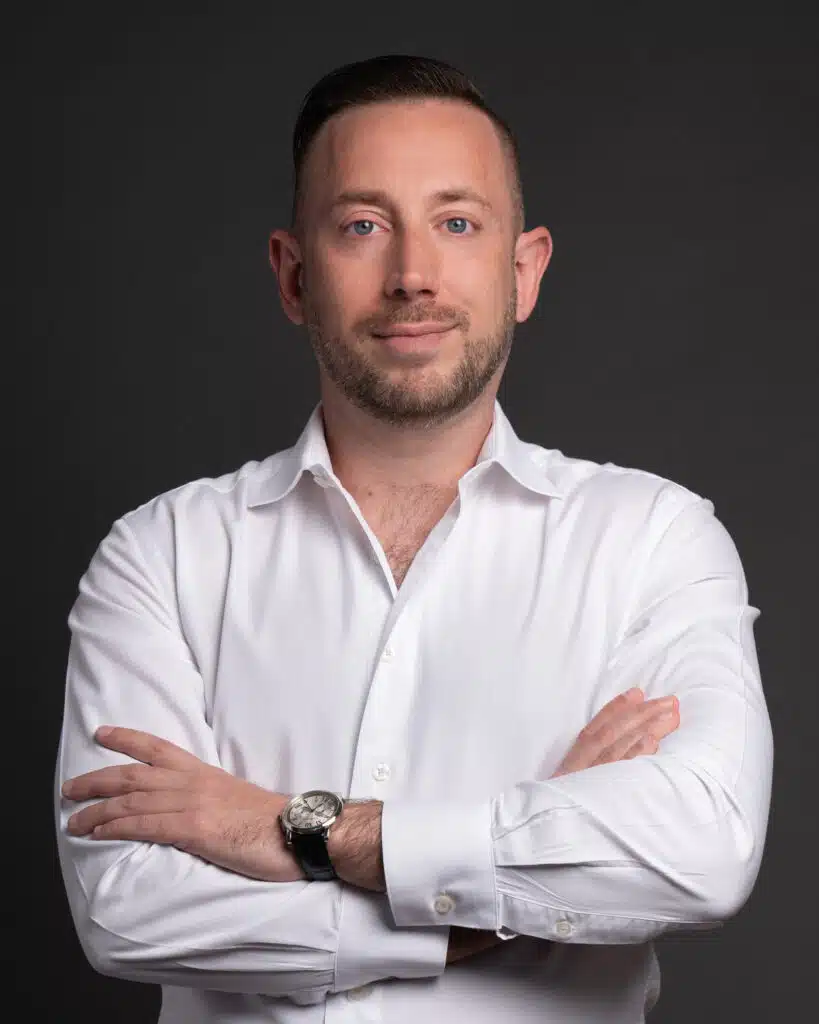
Dr. Jordan Barber — DAOM, L.Ac.
Dr. Jordan Barber is a New York-based Doctor of Acupuncture and Oriental Medicine specializing in pelvic floor dry needling as an adjunct to physical therapy — with a focus on the neuromuscular barriers that slow rehabilitation progress.
Where Dr. Caron addresses the autonomic and fear-based layer, Dr. Barber focuses on the structural neuromuscular layer — trigger points, guarding patterns, and nerve sensitization that block progress in rehabilitation. In complex cases Dr. Caron and Dr. Barber work together to address both the tissue and the nervous system.
If your patient needs both layers addressed — these are your two referrals.
Dr. Jordan Barber
DAOM, L.Ac.
Pelvic Floor Dry Needling
& Neuromuscular Rehabilitation
Mechanism of Action
Somatic-Visceral Dysregulation
Trauma disrupts bidirectional communication between somatic and visceral systems via the autonomic nervous system. Acupuncture modulates this axis through segmental and suprasegmental pathways, reducing aberrant visceral afferent signaling and restoring neuroregulatory tone.¹
Autonomic Recalibration
Needle stimulation activates Aδ and C-fiber afferents, influencing HPA axis activity and shifting autonomic balance from sympathetic dominance or dorsal vagal shutdown toward ventral vagal engagement — the physiological state required for therapeutic participation.²
Central Sensitization
Acupuncture demonstrates measurable effects on central sensitization through modulation of spinal dorsal horn excitability and descending pain inhibitory pathways — reducing neurological amplification that sustains hypersensitivity independent of peripheral tissue findings.³
Ready to Connect?
If you're seeing patients who are stuck — guarding, dysregulating, or disengaging from PT before they get the results you can give them — we welcome a 10-minute call. You describe your patient; I'll tell you whether acupuncture is likely to help and exactly how the handoff would work. No referral forms, no administrative overhead. Our team will handle the coordination.
Schedule a CallGotham Acupuncture — Upper West Side, NYC